
Commercial Exterior Cleaning
A practical cleaning plan for storefronts, entryways, walkways, and the exterior surfaces customers see first.
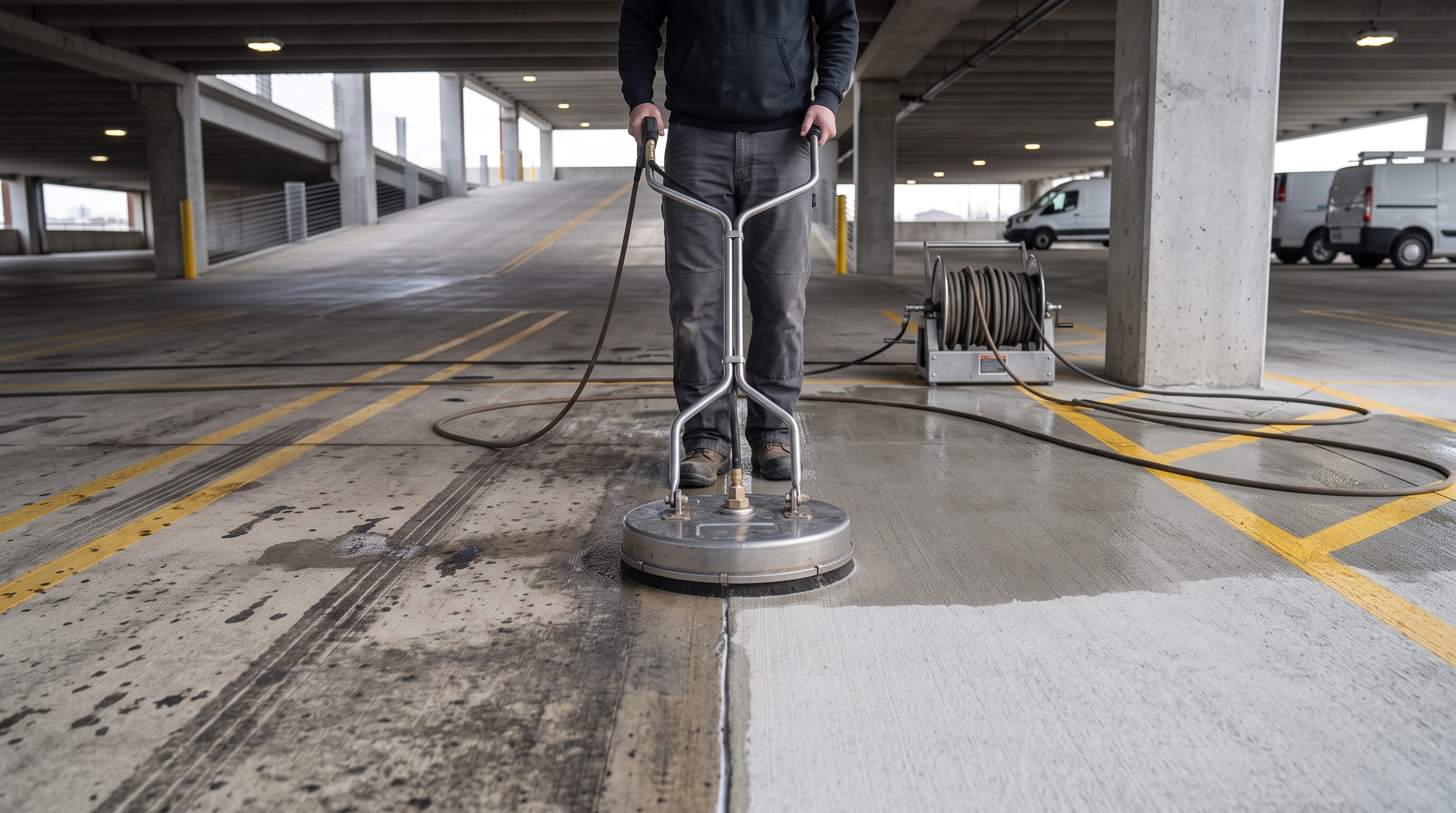
Commercial work needs more than a clean surface. We plan around access, foot traffic, business hours, drainage, and the areas that matter most to your customers.
A Good Fit For: Retail, office, multi-unit, hospitality, and other properties that need a dependable exterior presentation.
- Storefronts And Entrances
- Walkways And Common Areas
- Recurring Route Conversations
Commercial Exterior Cleaning Questions, Answered Clearly.
Commercial exterior cleaning has to work around customers, tenants, employees, deliveries, signage, drainage, and operating hours. These answers explain how a quote becomes a practical site plan instead of a generic pressure-washing promise.
What Commercial Exterior Surfaces Can Be Cleaned?
Common scopes include storefront entries, sidewalks, concrete, loading areas, dumpster pads, facades, awnings, curbs, and shared outdoor spaces. The building material, staining, access, and drainage determine which areas are appropriate and how they should be cleaned.
Can Commercial Cleaning Be Scheduled Before Or After Business Hours?
Scheduling can be planned around opening times, tenant access, deliveries, pedestrian traffic, noise, and parking. The quote should document the preferred service window and any site contact or access requirement before a recurring route is accepted.
How Do You Clean Storefronts Without Disrupting Customers?
A commercial plan separates work zones, identifies public walkways, protects doors and signage, and coordinates water and equipment placement. The safest schedule is the one that respects the property’s traffic pattern instead of forcing a residential workflow onto a business.
Can Pressure Washing Remove Oil, Grease, And Dumpster Pad Buildup?
Cleaning can improve many grease, food, oil, and organic residues, but the method depends on the contaminant, surface, drainage, and local wastewater requirements. Heavy buildup should be scoped honestly, with runoff and disposal considered before detergents are used.
Is A Recurring Commercial Cleaning Plan Worth Considering?
A recurring plan can make sense when foot traffic, food service, shade, weather, or tenant turnover causes buildup to return quickly. The schedule should be based on observed need and site conditions, not a contract that promises the same visit frequency for every property.
How Should Commercial Wash Water And Runoff Be Handled?
Commercial wash water can carry sediment, oil, paint particles, detergents, and other pollutants, so drains and discharge paths need to be identified before work. EPA guidance emphasizes containment, collection, treatment, or approved sanitary disposal where required.
What Determines Commercial Exterior Cleaning Pricing?
Pricing depends on surface area, height, access, traffic controls, water supply, buildup, runoff requirements, service windows, equipment, and the requested frequency. A walkthrough or detailed scope produces a clearer bid than a generic price per square foot.